

How to Make the Perfect Classic French Sweet Tart Crust (Pâte Sucrée)

A classic recipe. Tender, flaky, and refined.

Have you ever dreamed of making a French tart with a buttery, crisp, and slightly sweet crust that melts in your mouth? The secret is pâte sucrée, a classic French sweet pastry dough.
Pâte sucrée is the perfect base for elegant tarts with fruit, creams, or chocolate ganache. With a delicate texture, lightly crisp bite, and a subtle buttery flavor, this classic French pastry dough transforms any tart into a sophisticated dessert.
It’s made from simple ingredients, and once you master the basic technique, you can easily adapt it with vanilla, almonds, cocoa, or citrus for endless delicious variations.
It might sound intimidating at first, but with a little practice, a few simple ingredients, and some handy tips, you can make a crust that’s far superior to anything store-bought.
The best part? It only takes about 15 minutes to prepare, and once you’ve mastered it, you can experiment with flavors like chocolate, almond, pistachio, or lemon.

Why Make Tart Crust at Home?
We’ve all been there: planning to bake a fruit tart, a savory quiche, or a chocolate tart and instinctively reaching for a ready-made pastry from the supermarket.
I used to do the same. But ever since I started making my own tart crust (the famous pâte sucrée), I haven’t bought one again.
Why? Because it takes almost no time, uses simple pantry ingredients, and the taste… well, it’s a completely different story.
Why homemade crust is better
It may save a few minutes to buy pastry from the store, but making it yourself saves money and gives you a far better result; more flavorful, more delicate, and much healthier.
You know exactly what’s inside: no preservatives, no hydrogenated fats, no artificial flavors, just pure butter, flour, and a pinch of salt.
An impeccable texture: nothing compares to a homemade crust that is simultaneously tender, crumbly, and crisp, the perfect base for creamy fillings.
It acts as the perfect moisture barrier: thanks to the fat in the egg yolk, the crust stays crisp even when filled with vanilla cream or rich chocolate ganache.
The secret? You don’t need advanced baking skills. It all comes down to technique, and it’s not complicated. Once you learn it, you can adapt it for any dessert.
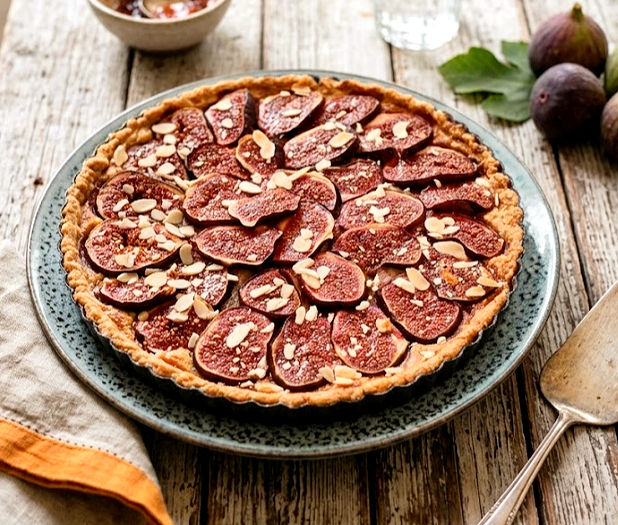
Essential Tips For a Perfect Crust
Before you start, here are three golden rules that guarantee success:
1. Ingredients must be very cold
Butter should come straight from the fridge (cut into cubes just before use), and even the egg yolk should be cold. Cold ingredients prevent the butter from melting into the flour too early, before baking.
2. Do not overwork the dough
This is not bread dough. The more you handle it, the more heat from your hands melts the butter, resulting in a tough crust. The goal is simply to bring the ingredients together.
3. Respect the resting time
The dough needs at least 30–45 minutes in the fridge before rolling. This relaxes the gluten and re-solidifies the butter.
The Baker’s Secret: Why Only Egg Yolk?
You may wonder why we don’t use the whole egg.
In fine pastry, especially for sweet tart doughs like chocolate or frangipane, only the yolk is used.
The explanation is simple culinary chemistry: egg white contains a lot of water and proteins that activate gluten, making the dough elastic and firm after baking.
Egg yolk, on the other hand, is rich in fats and natural lecithin. It acts as a tenderizer, giving the dough a golden color and creating that beautiful sablée texture, fine and biscuit-like, melting in the mouth.

Step-by-Step Guide - How To Make Tart Crust (Pâte Sucrée)
Basic ingredients: flour, very cold high-fat butter (82%+), salt, optional powdered sugar, and one cold egg yolk.
Step 1: Combine butter and flour
✔ Place flour, salt (and sugar if using) in a bowl. Add cold butter cubes.
✔ Rub quickly with fingertips (or pulse in a food processor) until the mixture becomes sandy.
✔ It’s fine if small pea-sized butter pieces remain; these will create delicate flaky pockets during baking.

Step 2: Add the egg yolk
✔ Place the cold yolk in the center and gently mix, bringing flour from the sides until it forms a dough.
✔ If it feels too dry, add 1 teaspoon of ice-cold water.
Step 3: Shape and chill
✔ Bring the dough together without kneading.
✔ Shape it into a flat disc, wrap tightly in cling film, and refrigerate for at least 30–45 minutes.
✔ A disc shape makes rolling much easier later.
Step 4: Roll the dough
✔ Remove from the fridge. Roll gently between two sheets of baking paper or on a lightly floured surface.
✔ Roll from the center outward until it is 4–5 cm larger than your tart pan.

Step 5: Line the tart tin
✔ Lift the dough using the rolling pin and gently place it into the tart pan.
✔ Press lightly into the edges without stretching.
✔ Trim excess dough by rolling over the top with a rolling pin for a clean edge.
✔ Prick the base with a fork and chill for another 10 minutes before baking.
Baking
Your tart base is now ready.
For vanilla or chocolate cream tarts: blind bake using baking paper and weights (beans or ceramic beads).
For frangipane: bake directly with the almond filling inside.
Frequently Asked Questions (FAQ)
Question | Answer |
Can I use 65% fat butter? | Not recommended. It contains too much water, which develops gluten and makes the crust tough instead of tender and delicate. |
Why did my dough shrink during baking? | This usually happens if the dough is overworked or not chilled properly before baking. Resting and chilling are essential for stability. |
Can I make the dough in advance? | Yes. You can refrigerate it for up to 3 days or freeze it for up to 3 months. Thaw slowly in the fridge before using. |
What is blind baking? | Blind baking means baking the crust without filling, using weights (like beans or ceramic beads) to keep its shape. |
My dough is breaking—what should I do? | Simply press it gently into the tart pan. It is a very forgiving dough and will come together beautifully during baking. |
Love this recipe? Please leave a comment. Your feedback, suggestions, and adaptations are very helpful to other bakers!

How to Make the Perfect
Classic French Sweet
Tart Crust (Pâte Sucrée)
A refined French tart dough, tender and buttery, perfect for fruit tarts, custards, or rich chocolate fillings. This base can also be transformed into a deep chocolate version with one simple adjustment.
Yield: 1 tart (24–26 cm) | Prep.: 15 min | Chill: 55 min | Bake: 20–25 min |
Total Time: 1 hr 35 min
Ingredients
Classic pâte sucrée
250 g all-purpose flour
125 g very cold butter (82% fat), cubed
1 large egg yolk, cold
50 g powdered sugar (optional, for sweet tarts)
Pinch of salt
1 tsp ice-cold water (only if needed)
Chocolate pâte sucrée (variation)
220 g all-purpose flour
30 g unsweetened cocoa powder
125 g very cold butter (82% fat), cubed
1 large egg yolk, cold
60 g powdered sugar (optional, slightly increased for balance)
Pinch of salt
1 tsp ice-cold water (if needed)
Method
Mix dry ingredients
For the chosen version (classic or chocolate), place flour (and cocoa powder if using), salt, and powdered sugar in a bowl. Mix well to distribute evenly.
Incorporate butter
Add cold butter cubes. Rub quickly with your fingertips (or pulse in a food processor) until the mixture looks sandy, with small butter pieces still visible.
Add egg yolk
Add the cold egg yolk and gently bring the dough together. Do not overmix. If it feels too dry, add 1 teaspoon of ice-cold water.
Shape & chill
Form a flat disc, wrap tightly in cling film, and refrigerate for 30–45 minutes.
Roll & line the tart tin (pan)
Roll out the dough between baking paper or on a lightly floured surface. Line your tart pan, trim excess, and prick the base with a fork.
Chill again
Refrigerate for 10 minutes before baking (important for shape retention).
Bake
For custard or chocolate fillings: blind bake with weights
For frangipane: bake directly with filling
Bake at 180°C until golden (classic) or slightly darker and fragrant (chocolate version).
Enjoy!

Have you tried making this Sweet Tart Crust (Pâte Sucrée)? I'd love to hear about your experience! Share your thoughts and any creative twists you added to the recipe in the comments below. Or, tag me on Instagram (@FeliChic'Cuisine) when you post your recipe creations. Let's inspire each other. Thank You!



Comments