

Homemade Rosehip Syrup

Updated: Sep 2
A Taste of the Wild in Every Sip

Equal parts natural remedy and seasonal delight, this homemade rosehip syrup captures the essence of wild autumn in a bottle. Rosehips are one of the richest natural sources of vitamin C, making this fragrant syrup the ultimate winter wellness companion. But beyond its health benefits, its bright, honeyed sweetness makes it a fantastic culinary ingredient.
Turning freshly picked rosehips into a rich, golden syrup is one of the most rewarding autumn traditions. Bursting with vibrant red color and natural vitamin C, these wild hips offer a bright, tangy flavor that naturally supports your immunity through the colder months.
In this recipe, I’ll guide you step by step to make your own homemade rosehip syrup. Simple to make and endlessly versatile, it adds a touch of botanical sweetness to warm teas, sparkling drinks, or morning yogurt.

Rose hips are one of those autumn fruits that are easy to find in the countryside, growing along country lanes and among hedgerows.
Perhaps because they are so familiar, they can easily go unnoticed. These small, bright red fruits are naturally rich in vitamin C and antioxidants, making them well worth picking when they are ripe and plentiful.
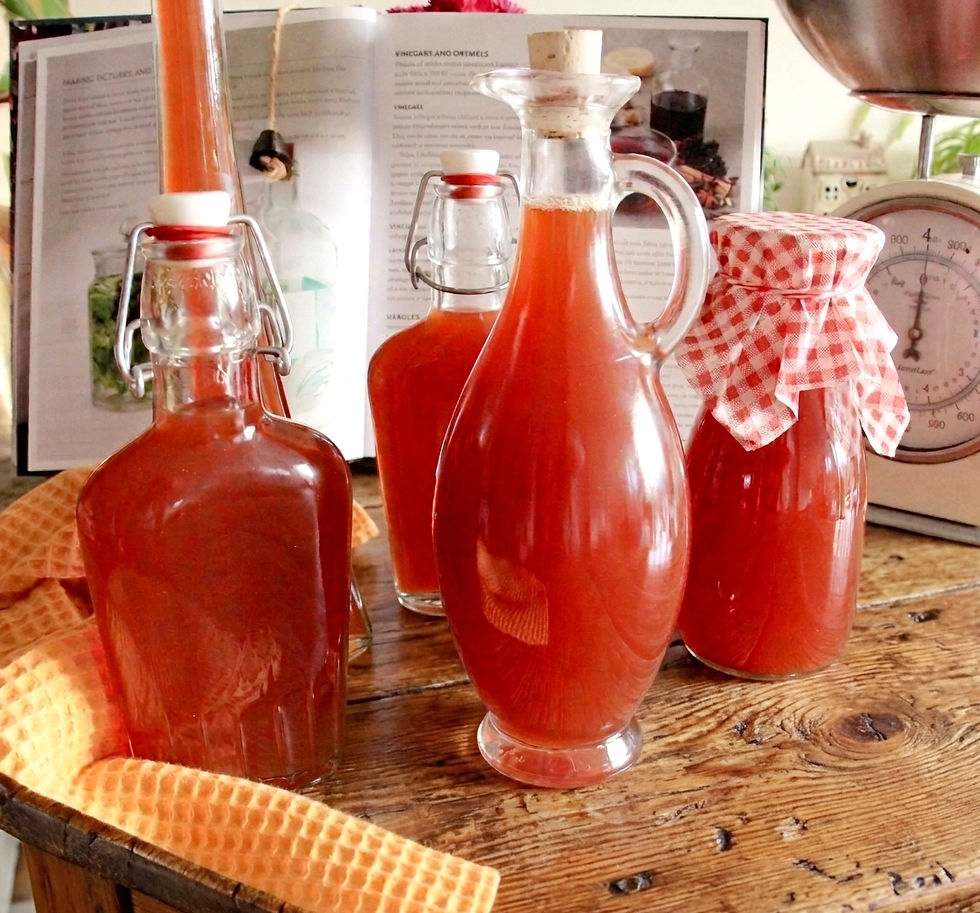
Made into a fragrant, sweet-tart syrup with a beautiful ruby-red colour, they offer a delicious way to enjoy their distinctive flavour throughout the colder months.
The Benefits of Rose Hips
Rose hips are valued for their impressive nutritional profile and naturally occurring plant compounds:
Rich in vitamin C – rose hips are naturally high in vitamin C, an essential nutrient with antioxidant properties.
Naturally rich in antioxidants – they contain carotenoids, polyphenols and other plant compounds that help protect cells from oxidative stress.
Vitamin E and carotenoids – these contribute to the overall nutritional value of the fruit.
A source of fibre – whole rose hips contain fibre, although much of it is removed when the fruit is strained to make syrup.
Naturally occurring anti-inflammatory compounds – rose hips contain plant compounds that have been studied for their potential anti-inflammatory properties, particularly in relation to joint health.

Harvesting Rose Hips
I love picking rose hips at this time of year. I often come across them on my walks, growing among the hedgerows, their bright red fruits catching my eye.
When I pick them, I always pay attention to a few simple things: choosing good, ripe fruit, picking from clean places, and taking only as much as I need.
If you’d like to pick your own rose hips, there are a few things worth keeping in mind:
Know what you’re picking: If you’re new to foraging, make sure you can identify the rose bush correctly before picking the fruit. Rose hips are the fruit of wild roses and are easy to recognise by their thorny bushes, leaves made up of several small leaflets, and oval red or orange fruits that appear in late summer and autumn. If you’re not completely sure, it’s best to leave them where they are.

Watch out for the thorns: Rose bushes can be quite thorny, so a pair of gloves and long sleeves will make picking much easier and help protect your hands.
Pick them when they’re ripe: Rose hips are usually ready from late summer into autumn, depending on the variety and where they grow. Look for fruit that is a deep red or orange colour and slightly soft when pressed.
Choose a clean place: Pick rose hips from clean areas, away from busy roads and places where pesticides may have been used.
Avoid fruit growing close to the ground: These are more likely to be dirty or damaged. When possible, choose the fruit growing higher up, around waist height or above.
Choose them carefully: Pick plump, healthy rose hips and avoid any with mould, rotten spots, bruising or signs of insects.
Respect nature: I always think not only about how much I pick, but also how much I leave behind. I make sure to leave plenty on the bushes for birds and other wildlife that rely on them as the weather gets colder. I like to take only what I need and leave nature to keep its share.

Good to Know
Sugar or honey: Sugar gives a clean, classic sweetness, while honey adds a softer, more distinctive flavour. Use whichever you prefer.
Why freeze the rose hips? Freezing softens the fruit and helps release more of its flavour during simmering.
Don't skip the second straining: Rose hips contain fine hairs around their seeds that can be irritating. Passing the liquid through muslin a second time helps ensure they are removed.
Storage: Because this is a homemade syrup without a validated shelf-stable preservation process, refrigerate the finished syrup. For longer storage, the syrup can also be frozen in suitable containers, leaving room for expansion.
Bottling: Sterilised bottles and hot-filling are important for good hygiene, but they do not by themselves guarantee that the syrup is shelf-stable at room temperature.
Step-by-Step Guide To Make Rose Hip Syrup
Here is how to make your own rose hip syrup at home. It takes a little patience, but sipping a warm mug of this on a chilly winter day makes every single step worth it!
Before you begin, make sure your bottles, lids, and funnel are thoroughly sterilised and ready to use.
Prepare the Rose Hips
✔ Give the rose hips a good rinse, then remove the stems and any remaining pieces of flower. I find it easier to do this while wearing gloves, as the tiny hairs and seeds inside the fruit can be quite irritating.

✔ If you’re using freshly picked rose hips, I recommend freezing them first. Freezing softens the fruit, which helps release more of its flavour when the syrup is cooked.
✔ Simply place the cleaned rose hips in a freezer bag or container and freeze until solid. You can then use them straight from the freezer when you’re ready to make the syrup.

✔ Bring a large saucepan of water to a boil. Once it’s boiling, you’ll add the prepared rose hips straight to the hot water.
✔ A little tip: Rose hips are naturally rich in vitamin C, but some of it can be lost during preparation. Adding the fruit to boiling water straight away helps limit the activity of an enzyme that can break down vitamin C.

✔ Place the frozen rose hips in a food processor and pulse a few times, just until they are coarsely chopped. Avoid processing them into a purée.
Prepare the Syrup
✔ Immediately add the prepared rose hips to the saucepan of boiling water.
✔ Bring the water back to a boil, then reduce the heat and simmer gently for about 30 minutes, or until the rose hips have softened and released their flavour.
✔ Strain the cooked rose hips through a fine-mesh sieve lined with cheesecloth or muslin, allowing the liquid to collect in a clean bowl or saucepan.

✔ Once most of the liquid has drained through, gather the corners of the cloth and gently squeeze the rose hips to extract as much juice as possible.

✔ To make sure all the tiny, irritating hairs and fine particles are removed, strain the liquid once more through clean muslin.

Note: This extra filtering step is important when preparing rose hips, as the fine hairs inside the fruit can be unpleasant and irritating if left in the syrup.

✔ Add sugar and heat over medium-low heat, stirring until the sugar dissolves. Continue to simmer for 5-10 minutes.
Note: Your decision between sugar and honey depends on your personal taste preferences and dietary considerations. Both sweeteners can be employed effectively.
✔ Carefully pour the rose hip syrup into sterilized bottles or jars. Seal them while the syrup is still hot to ensure proper preservation.
Frequently Asked Questions
Question | Answer |
When is the best time to harvest rose hips? | Rose hips are usually ready from late summer into autumn, depending on the variety and your location. Look for fruit that is brightly coloured and slightly soft when gently pressed. |
Why do you freeze the rose hips before making the syrup? | Freezing softens the fruit and helps break down its structure, making it easier to release its flavour as the rose hips simmer. It also makes it convenient to prepare the syrup when you are ready. |
Do I need to remove the seeds from rose hips? | You don't need to remove every seed individually. The cooked fruit is strained thoroughly, ideally through fine muslin, to remove the seeds and the tiny irritating hairs inside the rose hips. |
Why is it important to strain rosehip syrup well? | Rose hips contain fine hairs around the seeds that can be irritating if consumed. Straining the cooked fruit through muslin helps remove these hairs, seeds, and other fine particles, leaving you with a clear, smooth syrup. |
Can I use a fine-mesh sieve instead of muslin? | A fine-mesh sieve is useful for the first straining, but for the final filtering, muslin or cheesecloth is preferable because it catches the very fine hairs and particles that may pass through a sieve. |
Can I use honey instead of sugar? | Yes. Honey can be used instead of sugar if you prefer its flavour. Keep in mind that it will give the syrup a slightly different taste and colour. |
How long does homemade rosehip syrup keep? | Once bottled and properly stored, the syrup can keep for several weeks in the refrigerator. For longer storage, follow appropriate bottling and preservation methods rather than relying on sugar alone. |
Does rosehip syrup need to be refrigerated? | Yes. Once opened, keep it refrigerated and use a clean spoon or pouring utensil each time to help maintain its quality. |
Can rosehip syrup be frozen? | Yes. If you have made more than you can use, the syrup can be frozen in suitable containers, leaving some room for expansion. |
Can I make rosehip syrup with dried rose hips? | Yes, but the flavour and colour will be different from syrup made with freshly picked fruit. Fresh or frozen rose hips give the syrup a particularly vibrant character. |
Love this recipe? Please leave a comment. Your feedback, suggestions, and adaptations are very helpful to other bakers!

Homemade Rosehip Syrup
Capture the taste of autumn with this homemade rosehip syrup; a rich, vitamin C-packed tonic made from freshly foraged wild hips. It's simple, deeply nourishing, and perfect for drizzling over desserts or stirring into hot winter teas.
Prep: 30 mins | Simmer: 30 mins | Total: 1 hr | Makes: approximately 2 litres
Ingredients
1 kg fresh rose hips
750–800 g sugar or honey
2 litres water
Method
1. Sterilise the Equipment
Thoroughly sterilise the bottles, lids, and funnel you’ll use for the syrup. Set them aside until ready to fill.
2. Prepare the Rose Hips
Rinse the rose hips well and remove the stems and any remaining pieces of flower. Wearing gloves makes this easier and helps protect your hands from the tiny hairs inside the fruit.
3. Bring the Water to a Boil
Pour the water into a large saucepan and bring it to a rolling boil.
4. Chop the Rose Hips
Place the rose hips in a food processor and pulse a few times, just until they are coarsely chopped. Avoid processing them into a purée.
5. Simmer
Immediately add the chopped rose hips to the boiling water. Bring the water back to a boil, then reduce the heat and simmer gently for about 30 minutes, or until the fruit has softened and released its flavour.
6. First Strain
Strain the cooked rose hips through a fine-mesh sieve lined with muslin or cheesecloth. Allow the liquid to drain into a clean bowl or saucepan.
Once most of the liquid has drained through, gather the corners of the cloth and gently squeeze the rose hips to extract as much juice as possible.
7. Strain Again
Strain the liquid once more through clean muslin. This extra step helps remove the tiny hairs and fine particles from the rose hips, which can be irritating if left in the syrup.
8. Add the Sugar
Return the strained liquid to the saucepan and add 750–800 g sugar. Heat gently over medium-low heat, stirring until the sugar has completely dissolved. Simmer for another 5–10 minutes.
9. If Using Honey
If using honey instead of sugar, remove the saucepan from the heat and allow the syrup to cool until warm rather than hot. Stir in 750–800 g honey until completely dissolved.
10. Bottle
Carefully pour the hot syrup, or warm honey-sweetened syrup, into the sterilised bottles. Seal and allow to cool completely before refrigerating.
Enjoy!
Notes |
1. Wear gloves when handling rosehips to protect your hands from irritation.
2. Double straining is essential to remove fine hairs that can irritate the throat.
3. Store in a cool, dark place for up to 6 months; refrigerate after opening.
A Thought Among Flavours
“The measure of achievement is not winning awards. It's doing something that you appreciate, something you believe is worthwhile."― Julia Child
Have you tried making this Homemade rosehip syrup? I'd love to hear about your experience! Share your thoughts and any creative twists you added to the recipe in the comments below. Or, tag me on Instagram (@FeliChic'Cuisine) when you post your recipe creations. Let's inspire each other. Thank You!





Comments